Gold Price Target 2030: The Best Proven Insights You Need
Gold price target 2030 insights reveal trends and forecasts for investors.
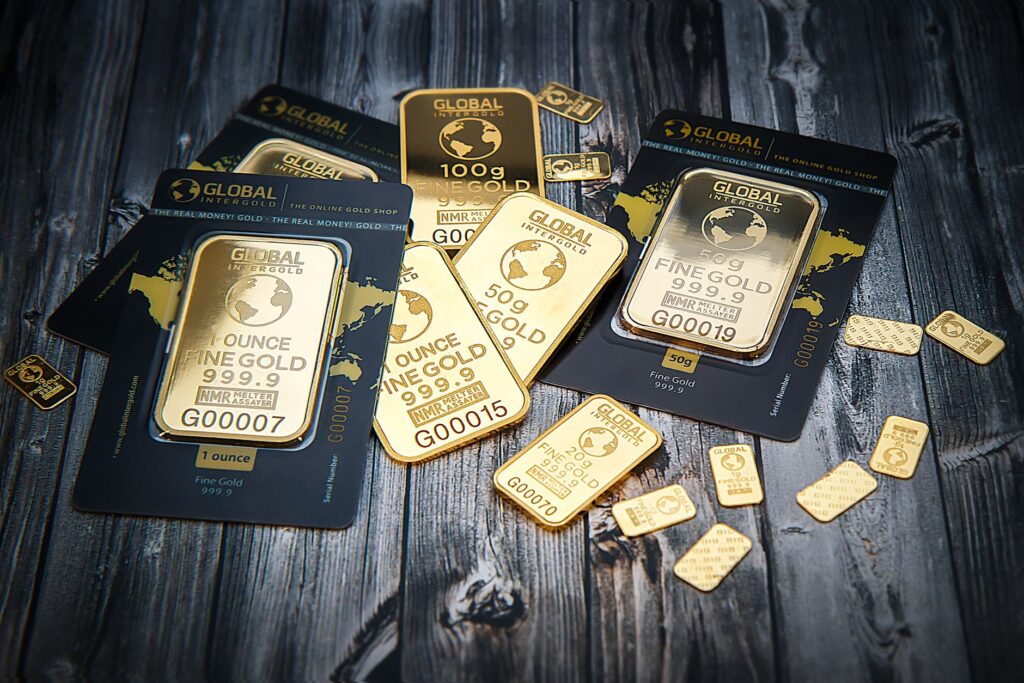
The gold price target 2030 has been reset by a top Wall Street firm, indicating significant shifts in market predictions. Investors should pay attention to these insights.
Current Market Trends in Gold
As the global economy continues to evolve, current market trends in gold are reflecting a complex interplay of factors that investors should consider. Recent insights from a top Wall Street firm have led to a significant reset in their gold price target for 2030, suggesting a bullish outlook for the precious metal.
Several key factors are driving this shift:
- Inflation Concerns: With rising inflation rates globally, investors are increasingly turning to gold as a safe haven asset.
- Central Bank Policies: Central banks around the world have been accumulating gold reserves, signaling confidence in the long-term value of the metal.
- Geopolitical Uncertainty: Ongoing geopolitical tensions are prompting investors to seek stability, further supporting demand for gold.
- Technological Advances: Innovations in mining and production are improving efficiency, potentially impacting supply dynamics in the market.
With these factors in play, the gold price target for 2030 is becoming a focal point for investors looking to navigate the uncertainties ahead. As market conditions continue to fluctuate, staying informed on these trends will be crucial for making strategic investment decisions.
Factors Influencing Gold Prices
The gold price target for 2030 is influenced by several key factors that investors and analysts closely monitor. Understanding these factors is essential for predicting future price movements and making informed investment decisions.
- Global Economic Conditions: Economic stability or instability can significantly impact gold prices. In times of economic uncertainty, gold is often seen as a safe-haven asset, driving demand and prices higher.
- Inflation Rates: Rising inflation typically increases the appeal of gold, as it is viewed as a hedge against currency devaluation. Investors tend to flock to gold during inflationary periods.
- Interest Rates: Lower interest rates make gold more attractive compared to interest-bearing assets. When rates are low, the opportunity cost of holding gold diminishes, potentially boosting its price.
- Geopolitical Tensions: Heightened geopolitical risks can lead to increased demand for gold as a secure investment. Investors often seek refuge in gold during political unrest or conflicts.
- Supply and Demand Dynamics: Changes in mining production and shifts in demand from sectors like jewelry and technology also play a crucial role in shaping gold prices.
These factors collectively contribute to the overall outlook for gold and its price target for 2030.
Expert Predictions for 2030
As we look ahead to 2030, several experts have weighed in on the future of gold prices, providing insights that can help investors navigate the market. Top financial analysts from leading firms have adjusted their gold price target 2030 predictions, reflecting changing economic conditions and geopolitical uncertainties.
Many analysts note that gold’s status as a safe-haven asset will continue to play a crucial role in price determination. A few key predictions include:
- Increased Demand: Experts foresee a rise in demand for gold, particularly from central banks and emerging markets, as they seek to bolster their reserves amidst economic volatility.
- Inflation Hedge: With ongoing concerns about inflation, gold is expected to remain a popular hedge, driving prices upwards as investors turn to tangible assets.
- Technological Advancements: Innovations in gold mining and extraction technologies could potentially lower production costs, impacting long-term price forecasts.
Overall, the consensus suggests that while fluctuations may occur, the long-term outlook for gold remains positive, making it a key asset to watch as we approach 2030.
Investment Strategies for Gold
As investors look ahead to the gold price target for 2030, it is essential to consider effective investment strategies to capitalize on potential market shifts. With growing uncertainty in global financial markets, gold remains a favored asset for many seeking stability.
Here are some recommended strategies:
- Diversification: Incorporating gold into a diversified portfolio can help mitigate risks associated with market volatility. By balancing gold investments with stocks, bonds, and other assets, investors can protect their wealth.
- Dollar-Cost Averaging: Regularly investing a fixed amount in gold, regardless of its price, can reduce the impact of market fluctuations. This strategy enables investors to accumulate gold over time and potentially benefit from lower average costs.
- Physical vs. Paper Gold: Investors should decide whether to invest in physical gold (such as coins and bullion) or financial products like ETFs and futures. Each option has its pros and cons, and understanding these can help in aligning investments with personal goals.
- Stay Informed: Keeping an eye on market trends and geopolitical events can provide insights into potential gold price movements. Knowledge will be key as investors navigate towards the gold price target for 2030.
Impact of Global Events on Gold
Global events have a significant impact on gold prices, often acting as a safe haven for investors during times of uncertainty. As we approach 2030, several key factors are likely to influence the gold price target 2030.
- Geopolitical Tensions: Escalating conflicts and political instability can drive investors towards gold, pushing prices higher.
- Economic Downturns: Recessions and economic crises often lead to increased demand for gold, as it is viewed as a stable asset.
- Central Bank Policies: Decisions made by central banks regarding interest rates and monetary policy can affect gold prices significantly. Low-interest rates typically encourage investment in gold.
- Currency Fluctuations: A weakening dollar often leads to higher gold prices, as gold becomes cheaper for foreign investors.
- Technological Advancements: Innovations in mining and production techniques may also impact supply levels, affecting the overall market dynamics.
As these global events unfold, they will shape not only the gold market but also investor sentiment, making it essential to monitor developments closely as we look towards the gold price target for 2030.
Understanding Gold as an Asset
Gold has long been seen as a safe-haven asset, particularly during times of economic uncertainty. Understanding gold as an asset is crucial for investors looking towards the future, especially with the gold price target 2030 being a topic of increasing interest among market analysts.
One of the primary reasons investors turn to gold is its historical resilience against inflation and currency fluctuations. Unlike fiat currencies, gold retains intrinsic value, making it a reliable store of wealth. Additionally, gold often moves inversely to stock market trends, providing a hedge during market downturns.
Investors should also consider the following factors when evaluating gold:
- Supply and Demand: The availability of gold and its industrial uses can significantly influence its price.
- Geopolitical Stability: Political unrest can drive investors toward gold, pushing prices higher.
- Central Bank Policies: Actions taken by central banks, including gold purchases, can impact market dynamics.
- Technological Advances: Innovations in mining and extraction can affect supply levels.
As the world moves toward 2030, understanding these elements will be vital for those looking to capitalize on gold as an investment asset.
Analysts predict that the gold price target 2030 will be influenced by various economic factors, including inflation and geopolitical tensions. Investors should closely monitor trends to align their strategies with the evolving gold price target 2030.
Photo by Michael Steinberg on Pexels