
Auto stocks crash: Worst sentiment hits Bajaj and M&M
Auto stocks crash news reveals what’s hurting sentiment in Bajaj, M&M, and Eicher Motors, with losses up to 9%.
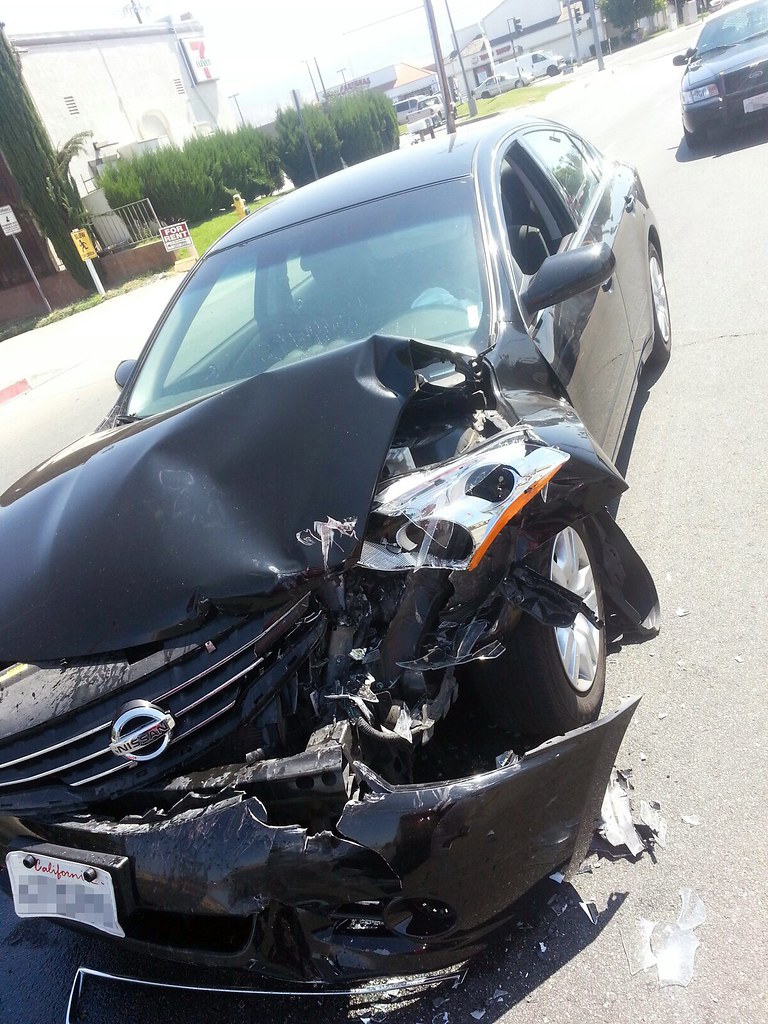
Auto stocks crash as Bajaj Auto, M&M, and Eicher Motors tumble significantly. Investors are concerned about the factors impacting market sentiment and stock performance.
Understanding the Auto Stocks Crash
The recent decline in auto stocks has raised significant concerns among investors and analysts alike. Major players in the sector, including Bajaj Auto and Mahindra & Mahindra (M&M), have experienced sharp drops in their stock prices, with declines reaching up to 9%. This downturn has been attributed to a mix of external and internal factors affecting market sentiment.
Several factors contribute to the current auto stocks crash:
- Economic Slowdown: Growing fears of a recession have dampened consumer spending, leading to reduced demand for vehicles.
- Supply Chain Issues: Ongoing disruptions in global supply chains, particularly in semiconductor production, have hindered manufacturers’ ability to meet demand.
- Rising Raw Material Costs: Increased prices for essential components have put pressure on profit margins for auto companies.
- Market Sentiment: Negative news and forecasts have led to a bearish outlook among investors, further exacerbating the situation.
As the auto industry navigates these challenges, the sentiment surrounding auto stocks remains fragile, raising questions about recovery in the near future.
Key Factors Behind the Decline
The recent auto stocks crash has been attributed to several key factors that have significantly impacted investor sentiment in the sector. Analysts point to a combination of economic uncertainties and shifting consumer preferences as primary drivers of the decline.
- Supply Chain Issues: Ongoing disruptions in the global supply chain have led to delays in production and delivery, affecting the availability of vehicles.
- Inflation Concerns: Rising inflation rates have increased the cost of raw materials, further squeezing the profit margins of auto manufacturers like Bajaj and M&M.
- Interest Rate Hikes: Anticipated increases in interest rates may deter potential buyers from financing new vehicle purchases, which could lead to decreased sales.
- Changing Consumer Preferences: A growing trend toward electric and hybrid vehicles is shifting consumer demand away from traditional combustion engine options, impacting established players.
These factors collectively contribute to a negative outlook for auto stocks, causing significant price drops for major companies in the industry. As the market grapples with these challenges, the sentiment surrounding auto stocks remains cautious.
Impact on Bajaj Auto and M&M
The recent auto stocks crash has significantly impacted major players in the industry, particularly Bajaj Auto and Mahindra & Mahindra (M&M). Investors have expressed deep concerns, leading to substantial declines in share prices for both companies.
Bajaj Auto, a prominent name in the two-wheeler segment, has seen its stock tumble by nearly 9%. Analysts attribute this drop to a combination of waning consumer demand and rising input costs, which have put pressure on profit margins. The company has been struggling to maintain its market position amidst increasing competition and changing consumer preferences.
Similarly, M&M has not been spared from the adverse effects of the auto stocks crash. Its shares have also experienced a decline, reflecting investor apprehension regarding the company’s future performance. Factors such as supply chain disruptions and heightened raw material prices have further exacerbated the situation.
As the market sentiment remains bearish, both Bajaj Auto and M&M are faced with the challenge of restoring investor confidence and navigating through these turbulent times. The road ahead may require strategic adjustments and innovative approaches to regain market stability.
Market Reactions and Investor Sentiment
The recent auto stocks crash has sent shockwaves through the market, leaving investors reevaluating their positions. Bajaj Auto and Mahindra & Mahindra (M&M) have been among the hardest hit, with shares tumbling significantly in response to the prevailing negative sentiment.
Market analysts have noted a growing concern among investors, leading to a widespread sell-off in the auto sector. The decline in these stocks reflects a larger trend of uncertainty, as many are questioning the long-term viability of major players in the industry.
Some key reactions from the market include:
- Bajaj Auto shares fell by nearly 9%, prompting investors to seek safer havens.
- M&M has also experienced a notable decline, contributing to fears regarding future growth.
- Investor sentiment has been further dampened by economic indicators suggesting a slowdown in consumer demand for vehicles.
The auto stocks crash has not only impacted these companies but has also raised alarms about the overall health of the automotive market, leading to increased volatility and cautious trading strategies among investors.
Future Outlook for Auto Stocks
The future outlook for auto stocks remains uncertain as the market grapples with the recent crash affecting major players like Bajaj Auto and Mahindra & Mahindra (M&M). Analysts are closely monitoring several factors that could influence recovery in the sector.
Key issues include:
- Consumer Demand: There is a growing concern about declining consumer confidence and its impact on vehicle purchases.
- Supply Chain Disruptions: Ongoing supply chain challenges continue to hinder production capabilities for many auto manufacturers.
- Regulatory Changes: New regulations regarding emissions and electric vehicle adoption may pose additional burdens on traditional auto manufacturers.
- Global Economic Factors: Fluctuations in oil prices and interest rates could further dampen investor sentiment.
As the auto stocks crash reverberates through the market, investors are advised to stay informed and cautious. The ability of companies like Bajaj Auto and M&M to adapt to these challenges will be critical in determining their recovery trajectory.
Ultimately, the path forward will require strategic innovations and robust financial management to restore confidence among investors and consumers alike.
Comparative Analysis with Previous Crashes
The recent auto stocks crash has drawn parallels to previous downturns in the automotive sector, particularly during economic slowdowns and significant policy shifts. Historical data indicates that similar events have often led to substantial declines in stock prices, reflecting investor anxiety and market volatility.
Key Comparisons with Past Crashes:
- 2008 Financial Crisis: The auto industry faced a severe downturn as consumer demand plummeted, leading to significant declines in stocks like General Motors and Ford.
- 2016 Demonetization in India: A sudden policy change led to a cash crunch, impacting auto sales and causing major players like Bajaj and Mahindra & Mahindra to see their stock prices tumble.
- COVID-19 Pandemic: The global health crisis resulted in unprecedented factory closures and supply chain disruptions, causing a sharp decline in auto stocks across the board.
Currently, the sentiment surrounding auto stocks is the worst it has been in years, with Bajaj Auto and M&M being particularly affected. Investors are wary, drawing from historical trends that suggest prolonged downturns can lead to lasting impacts on company valuations.
Expert Opinions on Recovery Strategies
Experts are weighing in on potential recovery strategies following the recent auto stocks crash that has significantly impacted major players like Bajaj Auto and Mahindra & Mahindra (M&M). According to industry analysts, restoring investor confidence will require a multi-faceted approach.
- Enhanced Innovation: Analysts suggest that companies must focus on developing advanced electric vehicles and embracing sustainable practices to meet changing consumer preferences.
- Cost Management: Tightening operational expenses and improving supply chain efficiencies can help firms rebound from financial setbacks.
- Investor Communication: Transparent communication regarding future strategies and financial health will be crucial in regaining trust among investors.
- Government Support: Experts believe that lobbying for favorable regulations and incentives can bolster the auto sector’s recovery.
Furthermore, the global economic landscape poses additional challenges. Experts emphasize that navigating these external pressures is essential. By adopting a proactive stance, companies like Bajaj Auto and M&M can potentially mitigate the impacts of the auto stocks crash and pave the way for future growth.
The recent auto stocks crash has left investors reeling, particularly affecting major players like Bajaj and M&M. As the auto stocks crash continues, analysts warn of potential long-term impacts on the industry.
By lmrqzulc32 via Openverse
Where this came from
India benchmark shares: Worst month or a quick recovery? · RBI Rate Hike: Is It the Best Time for Investors? · Pharmacy Network Expansion: Proven Growth with California Deal