
Repo Rate Hike: RBI’s First Increase in 3 Years
Repo rate hike news: RBI Governor announces a 25 bps increase, marking the first rise in over three years.
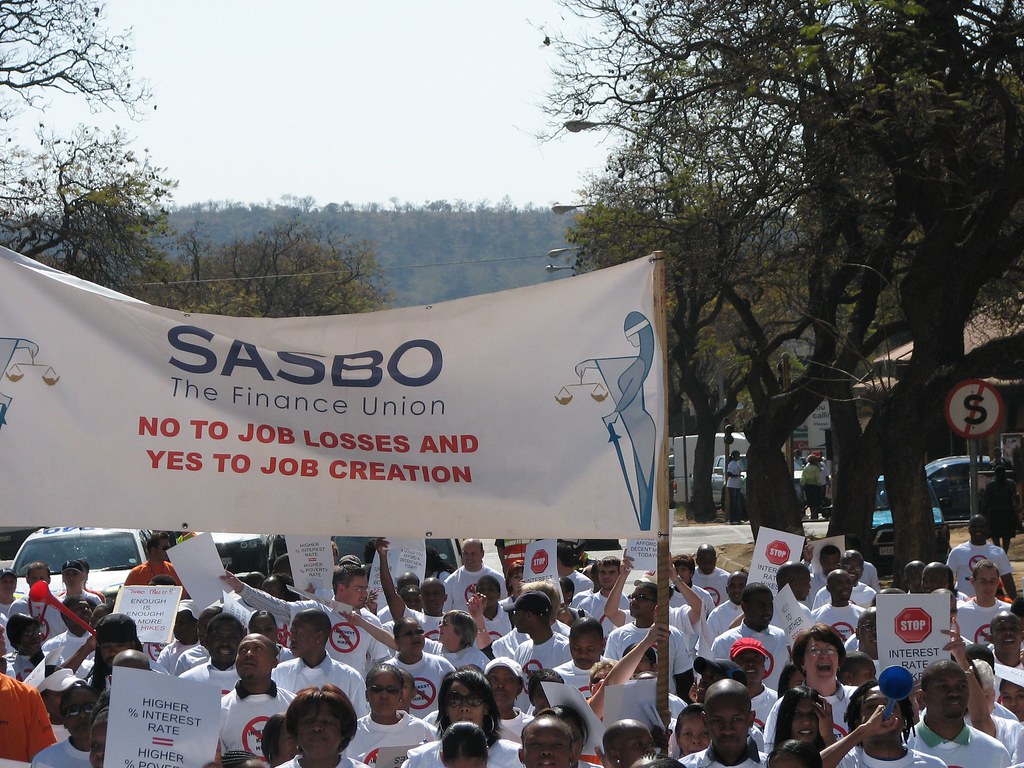
The repo rate hike has been officially announced by the RBI Governor, with a 25 basis points increase being the first in over three years. This decision reflects the changing economic landscape.
Understanding the Repo Rate
The repo rate, or repurchase rate, is the interest rate at which the Reserve Bank of India (RBI) lends money to commercial banks. Understanding this rate is crucial for grasping the implications of the recent repo rate hike. It serves as a tool for the RBI to control inflation and manage liquidity in the economy.
When the RBI increases the repo rate, it becomes more expensive for banks to borrow money. As a result, banks may pass on these costs to consumers through higher loan rates, which can lead to reduced spending and investment. This is particularly significant given the current economic climate, where inflationary pressures are a concern.
During the recent Monetary Policy Committee (MPC) meeting, the RBI announced a repo rate hike of 25 basis points, marking its first increase in over three years. This decision reflects the central bank’s commitment to ensuring financial stability while addressing rising inflation. As such, understanding the repo rate and its implications has become more important than ever for both consumers and businesses.
Impact of Rate Hike on Borrowers
The recent repo rate hike by the Reserve Bank of India (RBI) is poised to have significant implications for borrowers across the country. With the central bank increasing the rate by 25 basis points, this marks the first increase in over three years. As a direct consequence, borrowers may experience a rise in interest rates on various loans, including home loans, personal loans, and auto loans.
Key impacts of the rate hike on borrowers include:
- Increased EMI Payments: Borrowers may see their Equated Monthly Installments (EMIs) rise, leading to higher monthly financial obligations.
- Slower Loan Growth: Higher interest rates might deter potential borrowers, thus slowing down the growth of new loans.
- Refinancing Challenges: Existing borrowers looking to refinance may find it less attractive to switch to new loans with higher rates.
- Impact on Consumer Spending: With increased borrowing costs, consumer spending may decline, affecting overall economic growth.
As the effects of the repo rate hike unfold, borrowers will need to reassess their financial strategies to adapt to these changes.
RBI’s Monetary Policy Committee Insights
The Reserve Bank of India’s (RBI) recent announcement regarding the repo rate hike has stirred discussions among economists and financial analysts. As the Monetary Policy Committee (MPC) convened, Governor Shaktikanta Das emphasized the importance of this decision amidst rising inflationary pressures.
During the meeting, the committee assessed various economic indicators, including consumer price index (CPI) inflation and growth projections. The MPC’s unanimous decision to increase the repo rate by 25 basis points marks the first hike in over three years, a significant move aimed at curbing inflation.
Key insights from the meeting include:
- The committee acknowledged that inflation remains above the target range, necessitating a proactive approach.
- Members discussed the balance between supporting economic growth and addressing inflationary risks.
- Future projections indicate that further adjustments might be necessary, depending on economic conditions.
This repo rate hike aims to stabilize the economy while ensuring that borrowing costs do not escalate dramatically for consumers and businesses. The RBI remains committed to monitoring the situation closely.
Future Economic Predictions
As the Reserve Bank of India (RBI) implements its first repo rate hike in over three years, economic experts are closely analyzing the potential implications for the country’s financial landscape. The increase in the repo rate is expected to have a ripple effect on various sectors, influencing both inflation and growth projections.
Analysts predict that the repo rate hike may lead to:
- Increased Borrowing Costs: With higher interest rates, consumers and businesses may face more expensive loans, impacting spending and investment.
- Inflation Control: The RBI aims to curb inflation, which has remained above target levels. A tighter monetary policy could help stabilize prices.
- Slower Economic Growth: Higher rates might slow down economic growth as both consumer spending and business investments could decline.
- Foreign Investment Flows: A more attractive interest rate environment could bolster foreign direct investment, as investors seek higher returns.
Overall, while the repo rate hike aims to address inflationary pressures, its long-term effects on economic growth remain a subject of debate among economists.
By dblackadder via Openverse